 Image 1 of 1
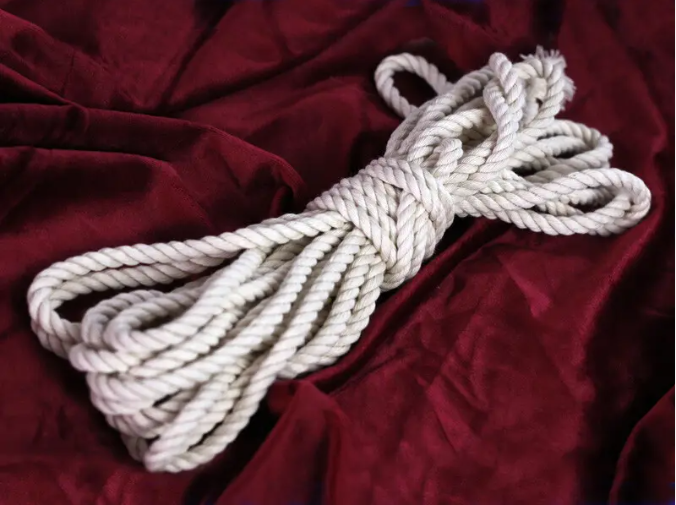
A natural plant-fiber rope favored in somatic rope practices for its balance of strength, texture, and sensory feedback. Jute offers a warm, slightly coarse hand that provides reliable grip and clear tactile communication between partner and practitioner. It is lightweight yet durable when cared for properly.
Key Characteristics
Fiber: 100% natural jute - sustainable, biodegradable, low-stretch.
Texture: Slightly coarse with pronounced tooth; provides secure friction and good knot-holding ability.
Feel: Warm, organic, and grounding against skin; the texture can enhance sensory perception and mindful awareness.
Strength: Strong for bodywork and suspension when using proper techniques and safety-rated lengths; higher risk of fiber weakness if exposed to repeated moisture or abrasion.
Stretch: Minimal; maintains shape and tension well during static ties.
Appearance: Natural tan with subtle color variation; available in dark-dyed finishes for aesthetic preference. Aging may mellow the tone and soften the fibers.
Weight: Light to moderate — comfortable for longer sessions and intricate ties.
Maintenance: Air-dry only; avoid prolonged water exposure and machine washing. Regularly inspect for fraying, thin spots, or stiffness. Rejuvenate by brushing or gently hand-conditioning with light oil if needed (use skin-safe oils and test before use).
Safety Notes
Inspect rope before each use for frayed fibers, thinning, hard spots, or odor indicating degradation.
Do not rely solely on rope appearance for load-bearing safety; follow established safety protocols and backup methods for suspension.
Avoid prolonged wetting; moisture weakens jute and can accelerate rot or mildew.
Consider creating a dedicated set of ropes for intimate use to minimize contamination and wear.
For suspension or high-load applications, use ropes of appropriate diameter (often 8mm or 10mm) and length, and ensure knowledge of proper knots, anchors, and safety procedures.
Why Practitioners Choose Jute
Provides clear tactile feedback and secure friction, aiding mindful, somatic connection.
Natural, eco-friendly material that ages with use and softens while retaining integrity.
Visually appealing organic look that complements slow, intentional practice.
Available Options
Diameters: 6mm (lightwork, decorative), 8mm (general practice), 10mm (higher load, suspension-ready when inspected and used properly).
Lengths: Custom lengths available; common lengths suit limb ties, body harnesses, and suspension rigging.
Finishes: Natural tan; dark-dyed options for aesthetics. Light finishing treatments may reduce initial fiber dust and shed.
Care Recommendations
Store dry, away from direct sunlight and heat.
Keep ropes loosely coiled to prevent kinks.
Spot-clean gently with a damp cloth; allow full air drying.
Replace ropes that show significant wear, stiffness, or odor.
For safe, mindful practice, pair jute rope with proper training and regular equipment checks.
A natural plant-fiber rope favored in somatic rope practices for its balance of strength, texture, and sensory feedback. Jute offers a warm, slightly coarse hand that provides reliable grip and clear tactile communication between partner and practitioner. It is lightweight yet durable when cared for properly.
Key Characteristics
Fiber: 100% natural jute - sustainable, biodegradable, low-stretch.
Texture: Slightly coarse with pronounced tooth; provides secure friction and good knot-holding ability.
Feel: Warm, organic, and grounding against skin; the texture can enhance sensory perception and mindful awareness.
Strength: Strong for bodywork and suspension when using proper techniques and safety-rated lengths; higher risk of fiber weakness if exposed to repeated moisture or abrasion.
Stretch: Minimal; maintains shape and tension well during static ties.
Appearance: Natural tan with subtle color variation; available in dark-dyed finishes for aesthetic preference. Aging may mellow the tone and soften the fibers.
Weight: Light to moderate — comfortable for longer sessions and intricate ties.
Maintenance: Air-dry only; avoid prolonged water exposure and machine washing. Regularly inspect for fraying, thin spots, or stiffness. Rejuvenate by brushing or gently hand-conditioning with light oil if needed (use skin-safe oils and test before use).
Safety Notes
Inspect rope before each use for frayed fibers, thinning, hard spots, or odor indicating degradation.
Do not rely solely on rope appearance for load-bearing safety; follow established safety protocols and backup methods for suspension.
Avoid prolonged wetting; moisture weakens jute and can accelerate rot or mildew.
Consider creating a dedicated set of ropes for intimate use to minimize contamination and wear.
For suspension or high-load applications, use ropes of appropriate diameter (often 8mm or 10mm) and length, and ensure knowledge of proper knots, anchors, and safety procedures.
Why Practitioners Choose Jute
Provides clear tactile feedback and secure friction, aiding mindful, somatic connection.
Natural, eco-friendly material that ages with use and softens while retaining integrity.
Visually appealing organic look that complements slow, intentional practice.
Available Options
Diameters: 6mm (lightwork, decorative), 8mm (general practice), 10mm (higher load, suspension-ready when inspected and used properly).
Lengths: Custom lengths available; common lengths suit limb ties, body harnesses, and suspension rigging.
Finishes: Natural tan; dark-dyed options for aesthetics. Light finishing treatments may reduce initial fiber dust and shed.
Care Recommendations
Store dry, away from direct sunlight and heat.
Keep ropes loosely coiled to prevent kinks.
Spot-clean gently with a damp cloth; allow full air drying.
Replace ropes that show significant wear, stiffness, or odor.
For safe, mindful practice, pair jute rope with proper training and regular equipment checks.